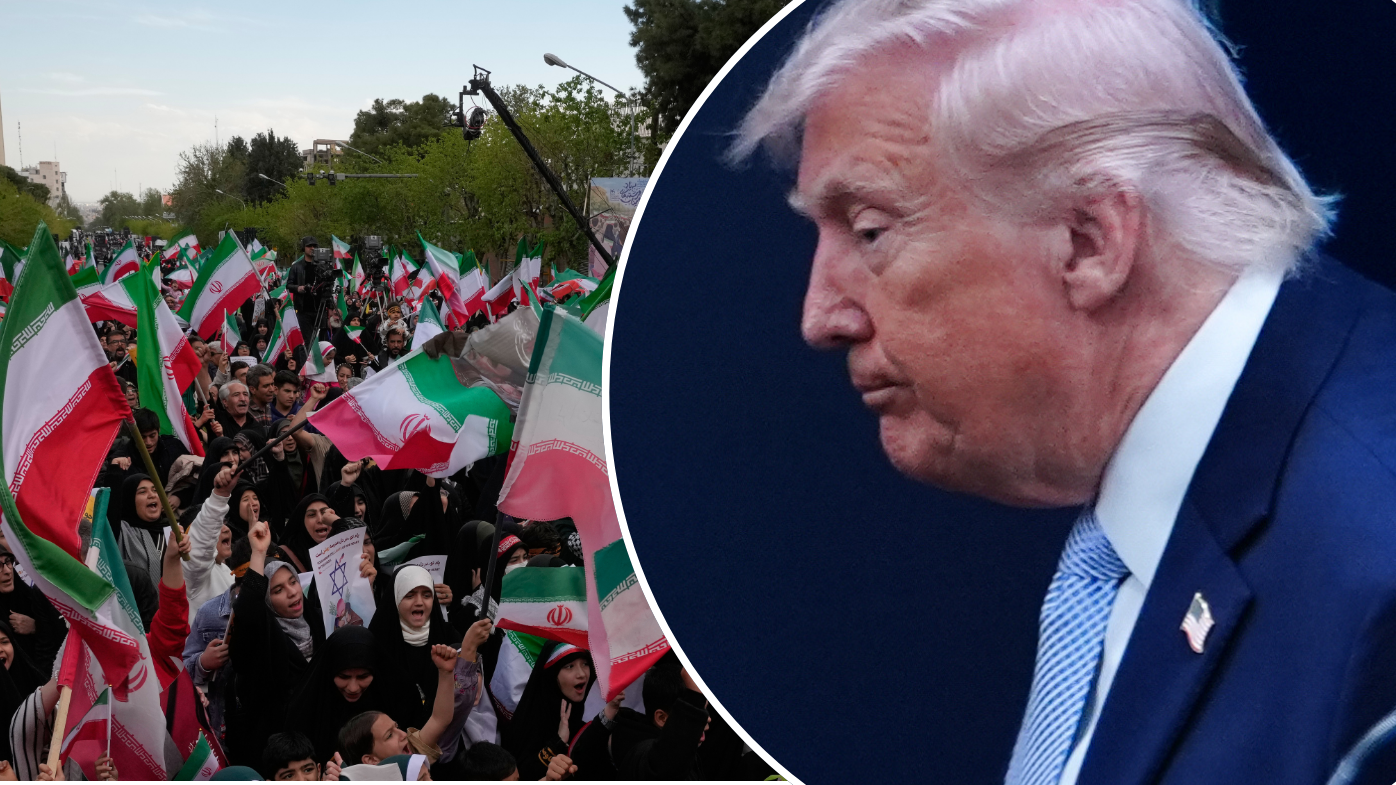
You’d think a ceasefire would bring a collective sigh of relief in Tehran. After weeks of watching Donald Trump dominate the airwaves with threats of "knocking the crap out of Iran" and sending the country "back to the stone ages," the two-week truce announced on April 7, 2026, should feel like a win. But walk through the streets of Tehran today, and the mood isn't celebratory. It's suspicious.
Iranians are asking a simple, jagged question: Why now?
The reality is that this ceasefire feels less like a peace treaty and more like a tactical pause in a high-stakes poker game where the deck is stacked. While the world watches the headlines, people on the ground are squinting at the fine print. They've seen this movie before. They know that in Trump’s world, a "deal" usually means someone else is getting squeezed.
Why Iranians don't trust the two week truce
Trust is a rare currency in the Middle East right now. For ordinary Iranians, the "why" behind the questioning is rooted in the sheer volatility of the last few days. Trump spent Monday threatening to decimate every bridge and power plant in the country. By Tuesday night, he was talking about a "workable basis" for negotiations. That kind of whiplash doesn't inspire confidence. It inspires dread.
There’s a deep-seated belief that this two-week window isn’t for peace. It’s for reloading. Many in Iran suspect the U.S. and Israel are using the time to regroup, reposition assets, and wait for the next "provocation" to justify a larger strike. If you’re living under the constant hum of potential drone strikes, a 14-day pause feels like a stay of execution, not a pardon.
The "10-point plan" published by Iranian state media only adds to the confusion. Washington says that’s not the agreement they signed. Tehran says it is. When the two most powerful entities in the room can't even agree on what the paper says, the people caught in the middle start looking for the exit.
The economic reality behind the political theater
It’s easy to get lost in the military bluster, but the real pain in Iran is happening at the grocery store. By early 2026, food inflation in Iran has reportedly soared above 70%. The rial is in freefall. People aren't just worried about bombs; they’re worried about bread.
The ceasefire doesn't fix the sanctions. It doesn't put money back in the pockets of the millions of Iranians who have seen their savings evaporate.
- Sanctions stay put: The U.S. hasn't signaled any willingness to lift the crushing economic pressure.
- Infrastructure at risk: Trump’s specific threats against power plants have made people realize how fragile their daily lives are.
- Isolation: With the capture of allies like Maduro in Venezuela earlier this year, Iran feels more economically cornered than ever.
When the government claims a "victory" because Trump didn't bomb them on Tuesday, it rings hollow to someone who can't afford meat on Wednesday. The skepticism isn't just about geopolitics. It’s about survival.
Missing pieces in the ceasefire puzzle
One of the biggest red flags for Iranians is the "Lebanon gap." While the U.S. and Iran are pausing their direct hostilities, Israel has been crystal clear: the truce doesn't apply to their operations in Lebanon. For the Iranian leadership and their supporters, this feels like a trap. If Israel continues to hammer Hezbollah, and Iran is "bound" by a ceasefire, they're essentially forced to watch their regional influence get dismantled piece by piece.
There’s also the issue of the Strait of Hormuz. Trump’s "ultimatum" was specifically about reopening this vital shipping lane. The ceasefire is contingent on it staying open. To many Iranians, this looks like a total capitulation. They’ve lost their biggest bargaining chip for a mere two-week break from threats. It’s a lopsided trade that has even the most hardened nationalists feeling uneasy.
The internal politics are just as messy. You've got the IRGC commanders on one side, likely itching to prove they haven't been "neutralized" as Trump claimed, and a presidency trying to prevent total state collapse. This friction makes any ceasefire inherently fragile. It’s a house of cards sitting in a wind tunnel.
What you should actually watch for
Don't look at the handshakes. Look at the movement of hardware. If you want to know if this ceasefire has any legs, pay attention to these three things over the next ten days:
- The Islamabad Negotiations: This is where the real work is supposedly happening. If there’s no movement on the "enrichment" vs. "rollback" debate within the first week, the ceasefire won't be extended.
- Domestic Protests: If the Iranian public senses the government is weak, the economic protests that started in late 2025 could flare up again. The regime might use the "external threat" to crack down even harder.
- The Rhetoric Shift: Watch Trump’s Truth Social. If the "Stone Age" talk returns, the deal is dead. He uses his platform to prime his base for the next move. If he stops talking about "vicious thugs" and starts talking about "a great deal for the world," we might actually see an extension.
Honestly, the most likely scenario isn't a long-term peace. It's a series of rolling two-week extensions that keep everyone on edge while the underlying issues—nuclear ambitions, regional proxies, and a shattered economy—continue to rot. Stop waiting for a "mission accomplished" moment. In 2026, peace is just a shorter version of war.
Keep your eyes on the shipping data in the Strait. If the tankers keep moving, the diplomacy is alive. If the first mine is spotted, get ready for a very long summer.